

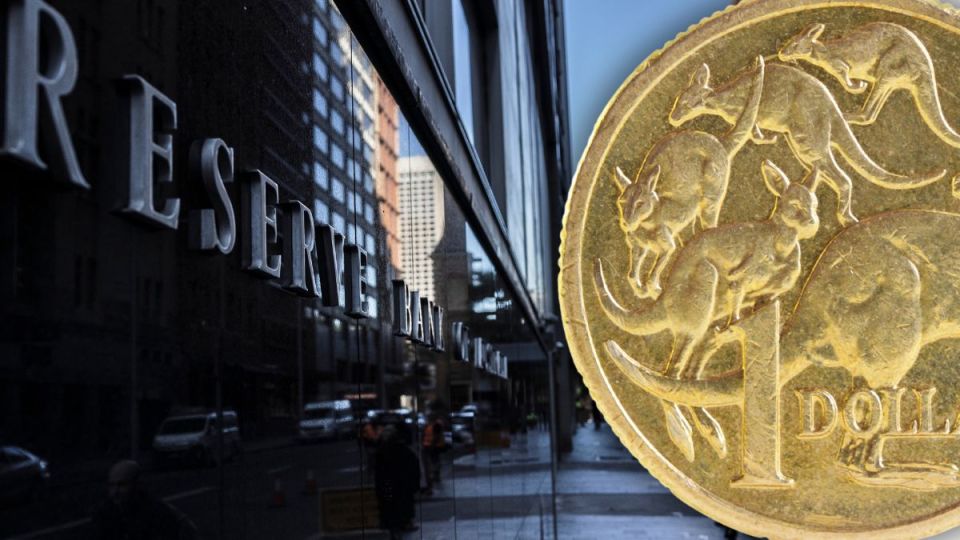


The Reserve Bank has finally delivered further relief to Australian borrowers with another long-awaited interest rate cut.
The widely tipped 25-basis-point reduction in the official cash rate on Tuesday came weeks after the central bank’s surprise decision in July to hit pause.
At the time, RBA governor Michele Bullock said the bank board wanted more data to confirm that inflation was well under control before cutting further.
Data at the end of July showed inflation was at 2.7 per cent, down from an annualised 2.9 per cent in the March quarter. The last time the trimmed mean was that low was in December 2021.
The figures further fuelled widespread predictions of a cut to official interest rates this week – and the bank board met that with its third cut in six months to bring the rate to 3.6 per cent.
Tuesday’s decision to reduce rates was unanimous. That compares with the July pause, which was split six votes to three.
“With underlying inflation continuing to decline back towards the midpoint of the 2-3 per cent range and labour market conditions easing slightly, as expected, the board judged that a further easing of monetary policy was appropriate,” the central bank board said in its post-meeting statement.
“The board nevertheless remains cautious about the outlook, particularly given the heightened level of uncertainty about both aggregate demand and potential supply.”
Tuesday’s decision means the cumulative effect of 75 basis points in cuts since February could save the average borrower almost $300 a month. But not all mortgage holders will be eligible for an automatic reduction.
Of the big four banks, only Westpac automatically lowers a customer’s payments if they have it set to the minimum. CBA, NAB and ANZ customers must contact the bank if they want their direct debit amounts reduced.
Canstar data insights director Sally Tindall urged mortgage holders to weigh up what was best for them, regardless of which bank they were with.
“For those managing to hold their budgets together, consider keeping your repayments exactly the same,” she said.
“Every rate cut is another opportunity to invest back into your mortgage and potentially be debt-free months, if not years early.”

A mortgage holder who had a $600,000 loan in February and had maintained their repayments since would be paying $272 more every month than if they had lowered them to the minimum outlay.
But it would also mean shaving off three years and three months off the length of their mortgage.
And while the official cash rate is now at 3.6 per cent, the rates offered to consumers are still substantially higher than that.
Tindall said that if the banks delivered the latest cut in full, the average variable rate for owner-occupiers would fall to 5.54 per cent. But that shouldn’t stop customers shopping around for a better deal.
“Your mortgage rate is one number where you want to be aiming for well below average,” she said.
“After this next cash rate cut, ambitious owner-occupiers should be able to set themselves a stretch target of 5.25 per cent.”
-with AAP


Live News