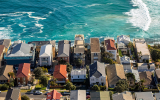


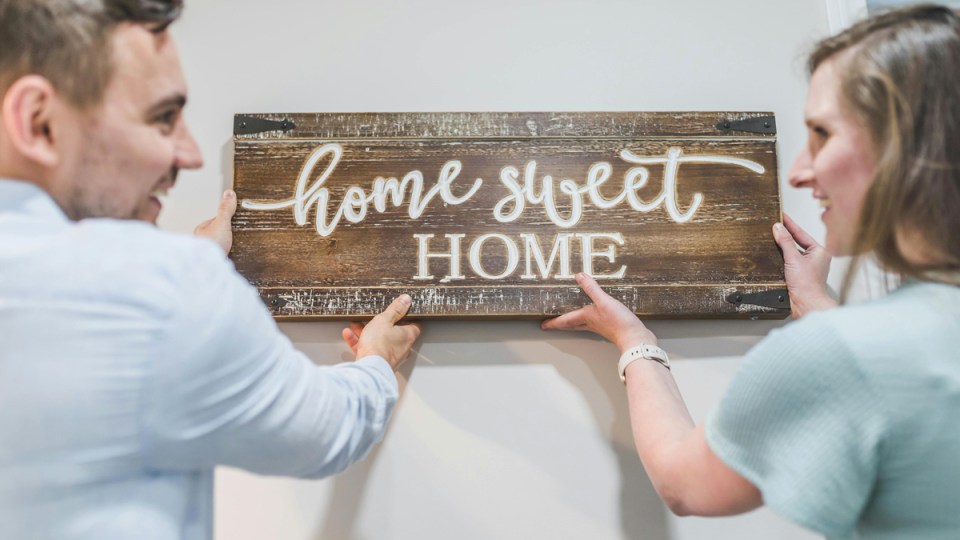


While many may have the vision of the Great Australian Dream as a family house filled with mum, dad and the kids, analysis paints a very different picture.
In fact, 61 per cent of Australian households are made up of just one or two people, while the bulk of our housing stock is built for families, according to analysis from Cotality.
Research head Eliza Owen said the findings were a shock.
“It was a big surprise,” she said.
“I think when we talk about housing, we think a lot of the Great Australian Dream being a big family home with kids in the yard.”
Home alone
In fact, only about 30 per cent of Australian households are families with children.
A further 31 per cent are couples with children or dependents.
Meanwhile, 27 per cent are people living alone, according to the research, which is based on Australian Bureau of Statistics data.
It also revealed that of those living alone, 40 per cent are aged 65 and over.
Owen said household size was a mismatch to the size and type of housing available in Australia.
“The highest share of households is two people, but the highest share of housing has three bedrooms, according to Cotality data, ” she said.
“The next-highest share is of one-person households at 27 per cent, but one-bedroom and studio homes together make up just 6 per cent of Australia’s housing stock.”

Why won’t we move on from large houses?
There are many reasons we are wedded to the large detached family house as our Great Australian Dream.
As housing is seen as an investment vehicle, along with being a shelter, people are unwilling to stray away from the perceived value.
“Bedrooms are one of the main variables that influence the value of a property,” Owen said.
“Having more bedrooms means a more expensive price point, and there are also prospects for more capital growth, and that could be adding to the demand for larger dwellings as well.”
As the growth in house prices has continued to outperform units, there has been more incentive to stay put in the family house.
“Houses reliably attract higher rates of capital growth over time,” Owen said.
“The annualised five-year rate of growth for a four-bedroom home was almost 9 per cent a year compared to less than 4 per cent for a one-bedroom apartment.
“The more we view housing through that lens of asset and wealth accumulation, the more it stacks up for larger housing, even if we don’t need all those bedrooms.”
The way forward
The answer is for governments to make it more expensive to have more housing than you need and cheaper to live in smaller housing, Owen said.
“This leads many to advocate for tax reform like abolishing stamp duty, which makes it cheaper to move housing, and replacing it with a broad-based land tax, which raises costs the more land you own.
“These options are both politically difficult as they would involve moving from a tax that applies to a small number of voters each year who purchase property to one that will tax two-thirds of voters (property owners).
“This would, however, potentially introduce an incentive for older Australians who own their home outright to downsize.”
She said reforming pension asset tests to include the value of the family home would also help the numbers stack.
Building better
There are also encouraging signs on types of new housing being developed across the country.
“There has been a slight uplift in the portion of new homes that are units,” Owen said.
“I think, as well, developers are starting to see that good, well-built units are attractive for families as well.
“In some cities, you’re hearing that even though apartments are smaller than houses, if you build them large enough to accommodate a family in a well-located area, they can do well.”
This article first appeared on View.com.au. Read the original here


Live News